On growing what you love, trying something new, and finding beauty in the mix.
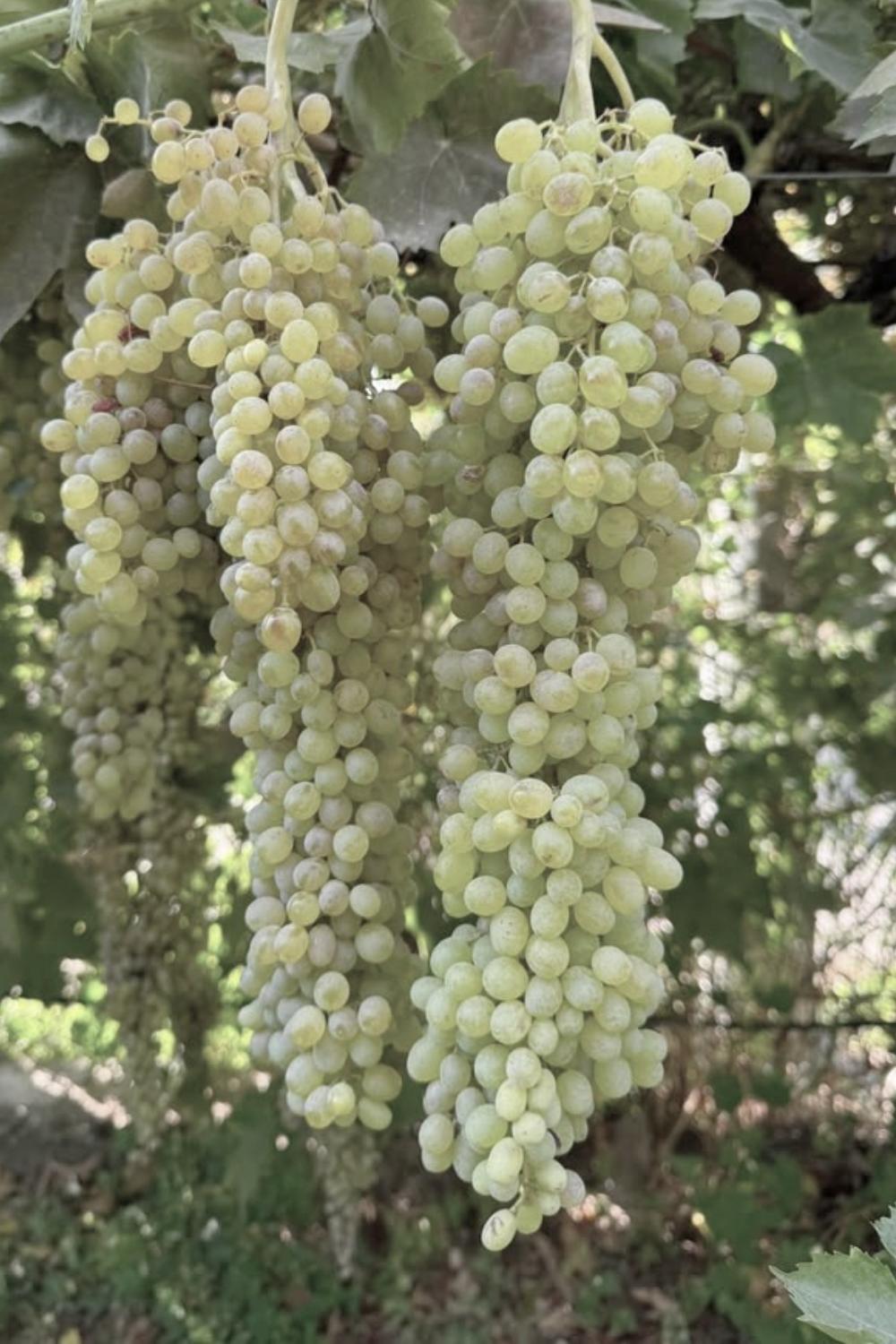
One of my favorite things about growing a garden is discovering varieties I haven't grown before.
There is so much beyond what we're used to seeing at the grocery store. Tomatoes in shades of yellow, green, and deep purple. Unusual varieties of squash, beautiful leafy greens, and herbs that are just as lovely growing in the garden as they are useful in the kitchen.
I think it's easy to fall into a routine of growing the same things each season, especially when you know what you love and what grows well for you. I do think there's something to be said for having a few tried-and-true favorites. But I also like leaving room for something new.
Sometimes it's a variety you've never heard of before, or a packet of seeds that catches your eye while you're looking through a local garden shop. Other times, it's simply choosing a different color or trying something you've always wanted to grow.
These are often the things that make a garden more interesting.
When I'm deciding what to plant, I like to think about how everything will look growing together, as well as what we'll actually use. The deep purple leaves of a basil, the soft green of an herb, or the broad leaves of a squash plant all bring something different to a garden bed. Even a vegetable you grow primarily for the kitchen can add so much in the way of color and texture.
I love a garden that feels useful without being purely practical. One where the things growing for the kitchen can be just as enjoyable to look at, and where there's room to grow something simply because you find it interesting.
A few things to consider when choosing what to grow
1. Look beyond the familiar.
When choosing seeds, take a little time to explore different varieties. Heirloom vegetables, unusual colors, and interesting shapes can be a fun place to start. You might discover a new favorite, whether it's something you cook with every week or simply enjoy having in the garden.
2. Think about color and texture.
You don't need to plan every planting in detail, but it can be helpful to consider what will be growing side by side. Pairing the larger leaves of a cabbage with finer herbs, or adding purple basil among green vegetables, brings a little more interest to a bed without much extra effort.
3. Grow things you'll enjoy bringing into the kitchen.
If you love cooking with fresh herbs, make room for a few different kinds. If there's a vegetable you've always wanted to try, see if you can find a variety suited to your growing season. Part of the fun of growing your own food is discovering ingredients you might not otherwise buy.
4. Leave room for a little experimenting.
You don't have to replace everything you know grows well. Try a few new varieties alongside your usual favorites and see how they do. Some will be worth growing again, while others might not suit your space or your taste. That's all part of it.
I think this is one of the nicest things about gardening. You get to figure out what works for you, season after season. What you love growing, what you enjoy cooking with, and what you simply like having in the garden.
And it doesn't need to look like anyone else's.
You might prefer a garden full of greens and herbs, or find yourself drawn to colorful heirloom vegetables. You might have room for a few cutting flowers among the vegetables, or let the squash spread a little farther than you planned. It's fun to see how a garden changes as you try different things and learn what you like.
This season has me thinking about a few new varieties I'd like to try.
There's always something new to discover in the garden, and I think that's part of what keeps me coming back to it.
I'd love to know — is there a variety you've been growing for years and always come back to, or something new you'd like to try?
— Kylie